
Energy Solutions
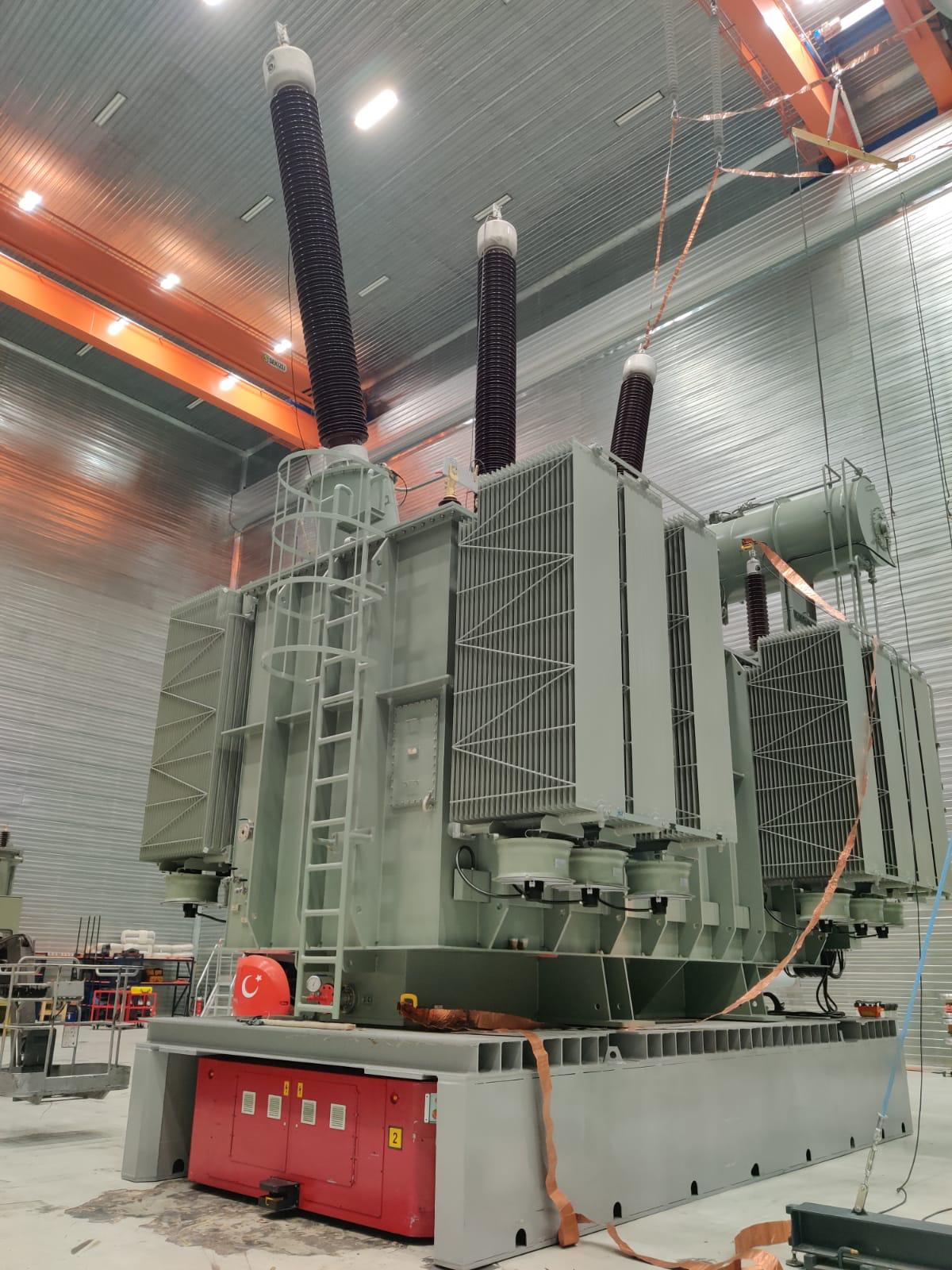
Generation, Transmission and Distribution of Electrical Power
The modern electrical power system is built on three fundamental stages: generation, transmission and distribution. Together they ensure that reliable, safe and efficient electrical energy is delivered from power plants to end users in homes, businesses and industry.
Generation of Electrical Power
Generation is the first step in the electrical network. Electrical energy is produced in power plants using primary energy sources such as coal, natural gas, nuclear fuel, water, wind or solar radiation. Generators convert mechanical energy into electrical energy, typically at medium voltage levels. Power quality, stability and environmental impact are key considerations at this stage.
High-Voltage Transmission
Transmission systems transport large amounts of electrical power over long distances from generating stations to load centers. High voltages are used to reduce current and minimize losses in conductors. Overhead lines and underground cables form interconnected transmission grids that enhance reliability and allow power exchange between regions.
Distribution to End Users
Distribution networks take power from transmission substations and deliver it to consumers at usable voltage levels. Step-down transformers, feeders and local distribution lines supply residential, commercial and industrial loads. Protection, metering and automation systems in distribution networks support safety, efficiency and smart grid functionality.
Integrated planning and operation of generation, transmission and distribution ensure a stable electrical network capable of meeting growing energy demands and supporting future technologies such as renewable integration and electric mobility.
